





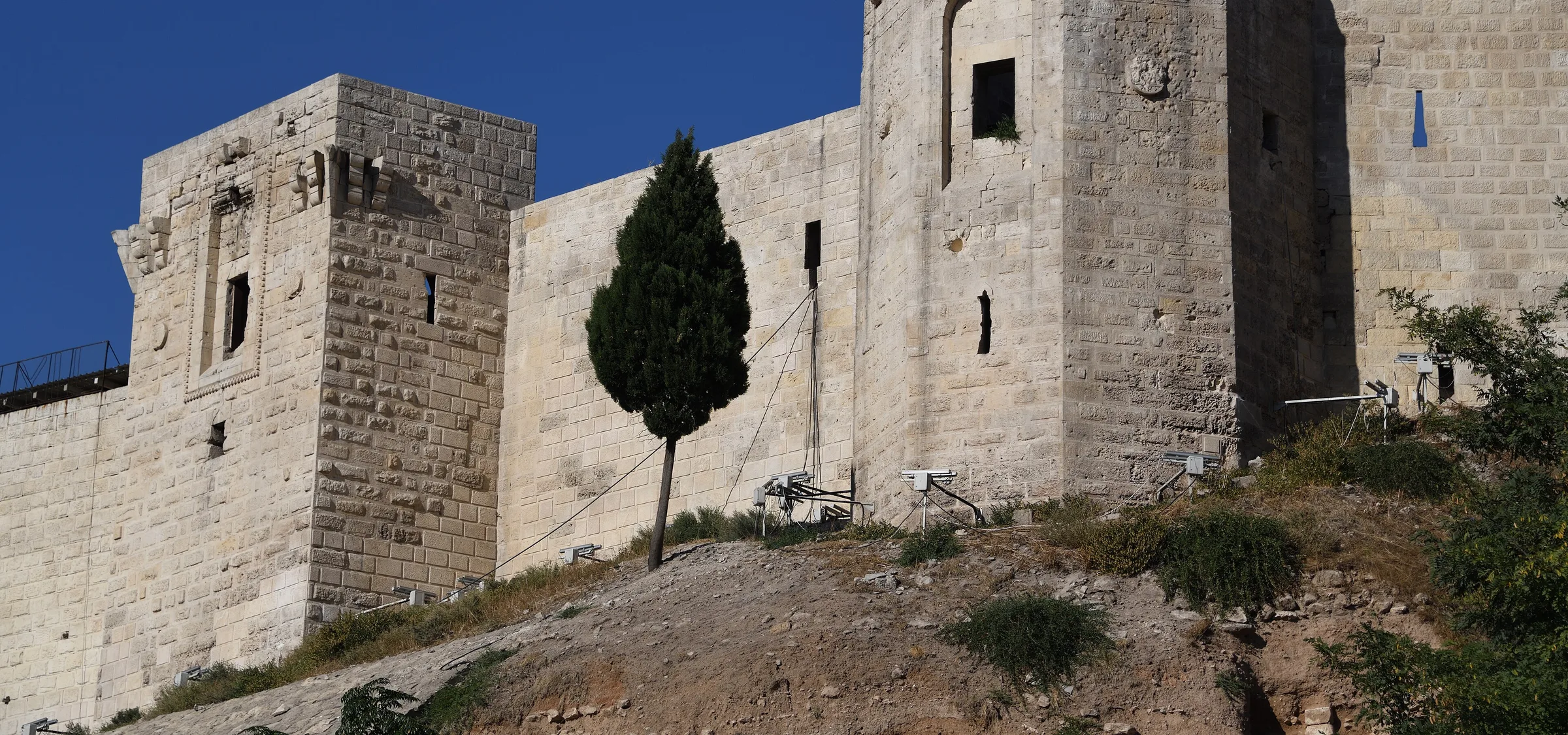
 Fotoğraf: Dosseman · CC BY-SA 4.0 · Wikimedia Commons
İlinize özel enerji çözümleri
için doğru bilgiler.
Kendin ilini seç.İhtiyacınıza en uygun Lipus çözümlerini,
ücretsiz hesaplama araçlarımızla keşfedin.
İllere Göre
Bilgilendirme
Yaşadığınız ili seçin; ısı pompası ve sıfır karbon ev sistemleri hakkında bölgenize özel rehber içeriklere ulaşın.
Yeşil iller kullanılabilir makaleleri gösterir.Heat Pump in Gaziantep:Site Survey, Design, and Installation
Gaziantep's climate doesn't compromise: 38-40°C summers, −5/−8°C winters. A heat pump handles both extremes in a single unit.
Dry climate, the heat pump's ally
Summer heat is dry in character, making cooling straightforward; since winter cold is also dry, defrost cycles are infrequent.
Winter design: capacity read from the curve
For −8°C nights, the EVI series is preferred, and the bivalent point is deliberately determined. The thermal inertia of the traditional stone, high-ceilinged home aligns well with the heat pump's continuous low-temperature operation.
The investment mindset of an industrial city
A culture that weighs investments by payback period easily understands the heat pump's language of efficiency.
Gaziantep'de ücretsiz keşif
Isı kaybı hesabı, sistem önerisi ve yazılı rapor — eviniz için doğru sistemi birlikte seçelim.
Gaziantep için merak edilenler
Is heating sufficient during January frost?+
Yes, with an EVI unit + the correct bivalent point + a backup stage.
Cooling performance at 40°C?+
Cooling is at its most efficient in dry heat.
I already have natural gas — does it still make sense?+
If you also want cooling, the numbers are strong.
How is capacity determined for a stone/high-ceilinged home?+
Through a heat loss calculation based on volume and building envelope.